2026 Convergence: Credential Innovation in Higher EducationGeneral Sessions |
October 13 | 1:15 PM
Arlington Ballroom III-VI
Higher education is entering a new era where learning no longer happens in a single institution—or a single stage of life. Learners increasingly accumulate knowledge and skills across universities, workplaces, and credentials. Yet the systems that document and recognize learning remain largely institution-bound.
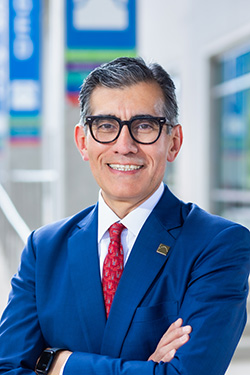
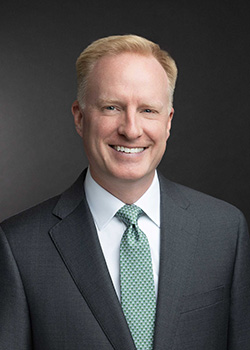
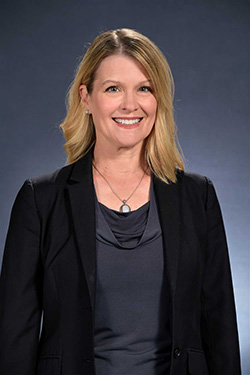
In this opening conversation, following UPCEA CEO remarks, Amy Heitzman and Melanie Gottlieb explore what the future of learning and work demands from higher education and how institutions must evolve to meet it. From learner mobility and skills recognition to digital records and integrated credit and noncredit pathways, they will examine the infrastructure required to support lifelong learners.
The conversation will be followed by a moderated panel featuring institutional leaders who are actively redesigning systems to make learning more portable, transparent, and connected to opportunity.



October 14 | 9:45 AM
Arlington Ballroom III-VI
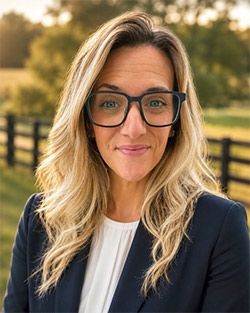
As institutions expand their use of microcredentials, the challenge is no longer simply creating new credentials—it is designing coherent pathways that connect learning, career readiness, and student success. This session explores how intentional design can transform individual microcredentials into integrated learner experiences that complement academic programs, foster durable skills, and support lifelong learning. Presenters will share practical approaches for designing, developing, and implementing high-quality microcredentials—from creating mentor-guided pathways embedded within degree programs to building replicable processes that help faculty and staff move credential ideas from concept to approval. Attendees will leave with adaptable frameworks, tools, and design strategies to create scalable credential ecosystems that are meaningful for learners, sustainable for institutions, and aligned with workforce needs.


Moderator:
October 14 | 12:15 PM
Arlington Ballroom III-VI
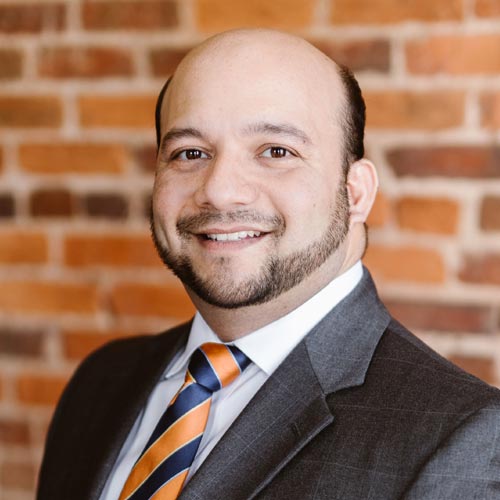
This moderated general session brings together state, national, and intermediary perspectives to examine a core challenge in credential innovation: how to ensure data quality, interoperability, and trust across emerging workforce and education systems. As WIOA performance reporting, Learning and Employment Records (LERs), and Workforce Pell eligibility requirements converge, institutions and states are under increasing pressure to align data definitions, validation processes, and outcomes tracking.
The session explores how cross-sector partnerships are tackling these challenges in practice. Panelists will discuss how they are integrating workforce, postsecondary, and skills data systems; navigating federal and state reporting requirements; and building infrastructure that supports both learner mobility and policy compliance.
The conversation will highlight real implementation decisions, trade-offs, and early lessons from the field, with a focus on how data quality impacts funding, credential value, and learner outcomes. Attendees will gain insight into emerging approaches for aligning data ecosystems with workforce policy frameworks and ensuring that short-term credentials meet new standards for transparency and accountability.



October 15 | 8:45 AM
Arlington Ballroom III-VI
Microcredentials, digital badges, and skills frameworks are no longer the challenge—scaling them is. Moving beyond isolated pilots requires coordinated governance, policy, technology, and operational systems that embed credential innovation into an institution's core infrastructure. In this lively session, institutional leaders will share how they built and operationalized integrated credential ecosystems connecting academic programs, digital credentials, learner records, transfer pathways, and credit for prior learning. Through lessons in governance, registrar operations, technology, faculty collaboration, and workforce alignment, presenters will demonstrate how cross-campus partnerships—not additional staffing—can create sustainable systems that support learner mobility and institutional agility. Attendees will leave with practical strategies for transforming credential innovation from disconnected pilots into an enterprise-wide ecosystem.



Moderator:
October 15 | 11:15 AM
Arlington Ballroom III-VI
This session will share an emerging model in Texas for connecting noncredit and credit learning, employer demand data, microcredentials, and learner mobility infrastructure across a large, regionally diverse state. Leaders working across higher ed and workforce to explore what scalable, regionally responsive infrastructure could look like. Panelists will discuss the challenges and opportunities that a series of Texas projects offer to break down the silos between learning and working to create the mobility, skills recognition, and economic opportunity for learners in the state, and discuss how those lessons could be applied in other contexts.